Stock Exchanges
Overview
A stock exchange is an organised market in which shares are bought and sold. It is useful to make the distinction between two kinds of market:
A stock exchange is an organised market in which shares are bought and sold. It is useful to make the distinction between two kinds of market:
- Primary market: Where new shares are issued to raise capital (an IPO, for example, or a follow-on offering)
- Secondary market: Where existing shares are traded between investors, with no new capital flowing to the company itself
Most of the trading each day occurs on the secondary market, the primary market being the one in which companies raise money.
Examples
The London Stock Exchange operates two markets:
The Main Market, for larger, more established companies; AIM (Alternative Investment Market), for smaller, growth-stage companies, with lighter listing requirements
In the US, the two principal stock exchange organisations are the New York Stock Exchange and Nasdaq, with Nasdaq being associated with technology
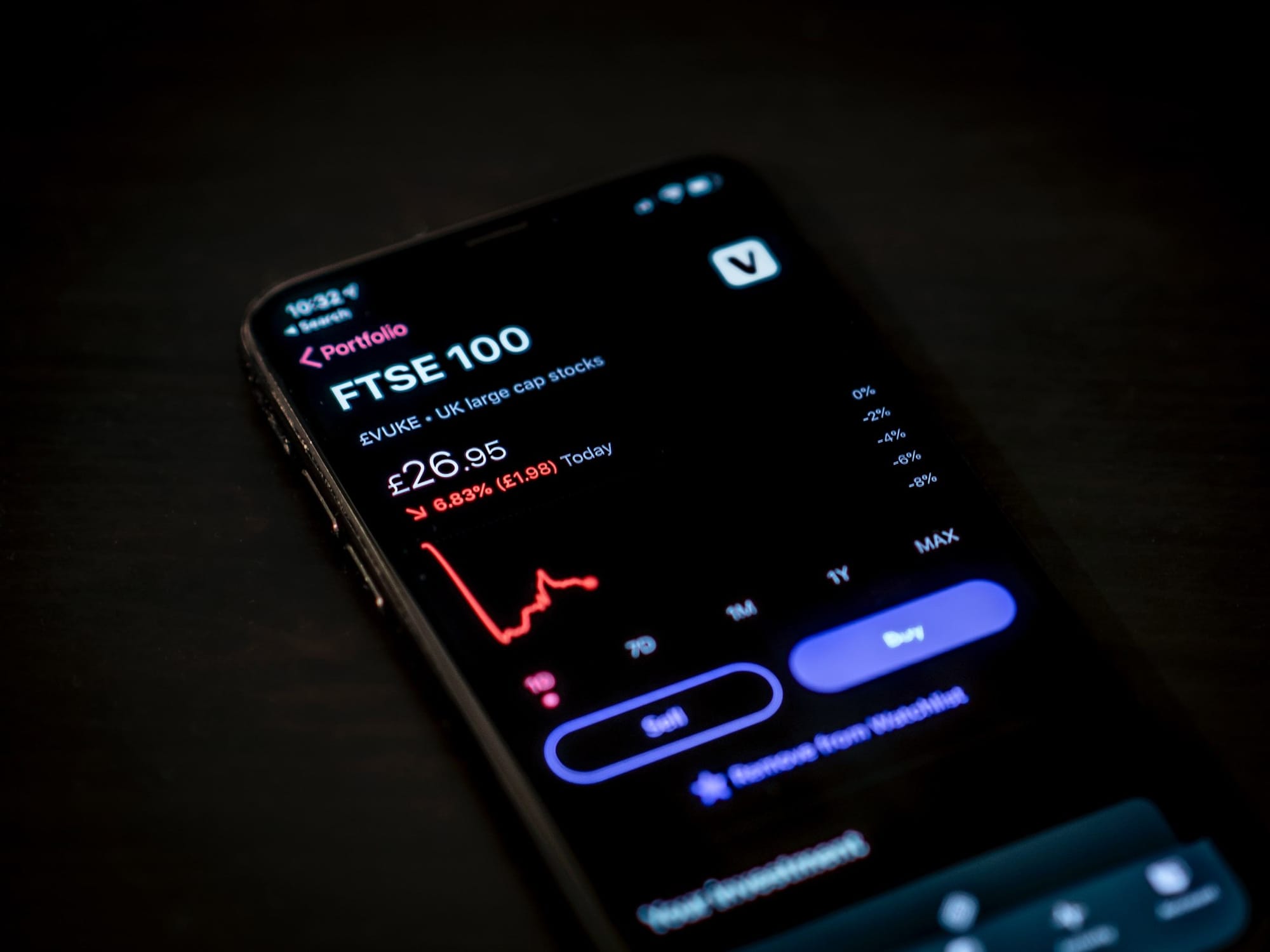
The FTSE 100 and FTSE 250 are the most well-known UK stock indices because they consist of the 100 largest and the next 250 companies listed on the LSE by market value.
They are often used together as an approximate indication of the general state of the UK stock market, even though each index weights companies by market capitalisation, meaning larger firms have a greater effect on index changes.
How trading works
Today's stock exchanges match buyers and sellers together by means of an order book which contains all the existing buy and sell orders at various prices, and the trade occurs automatically when a buy order matches a sell order at the same price.
Market makers are important in maintaining market liquidity since they always quote both a buying price (the bid) and a selling price (the ask), which means that a trade can take place nearly all the time, even when no other investor is willing to carry out the transaction at that moment. They earn money from the bid-ask spread, which is the small difference between the two quoted prices.
Listing requirements
To list on a major market, a company generally needs to:
- Meet minimum standards of corporate governance
- Have a sufficient proportion of its shares available to the public, known as the free float.
- Demonstrate an established financial track record.
In places where the market is growing, such as AIM, the requirements are far less strict than those which apply to a full listing on the Main Market, which is the reason why such markets tend to draw in smaller or earlier-stage companies that are either not yet eligible for or do not want the cost and level of examination associated with a full listing.
Regulation
In the UK, the Financial Conduct Authority (FCA) functions as the UK Listing Authority by establishing the rules that companies have to follow if they want their shares to be listed or to remain listed; it is also responsible, alongside the listing process, for:
Disclosure and transparency requirements: Ensuring listed companies keep the market properly informed.
Market abuse regulations: Designed to prevent insider trading and market manipulation, and to maintain confidence that trading takes place on a level playing field.
These rules safeguard investors and maintain confidence in the market's integrity.